Time-of-Day Volatility Decay

Watch the price action closely as the initial volatility begins to subside. The data tracked by orb trading alerts cldengineers shows how volume shifts after the market open, which requires a mechanical adjustment to how intraday alerts are triggered. Traders often fail to account for the natural decay in movement as the session progresses past the first hour.
The Mechanics of Volatility Decay
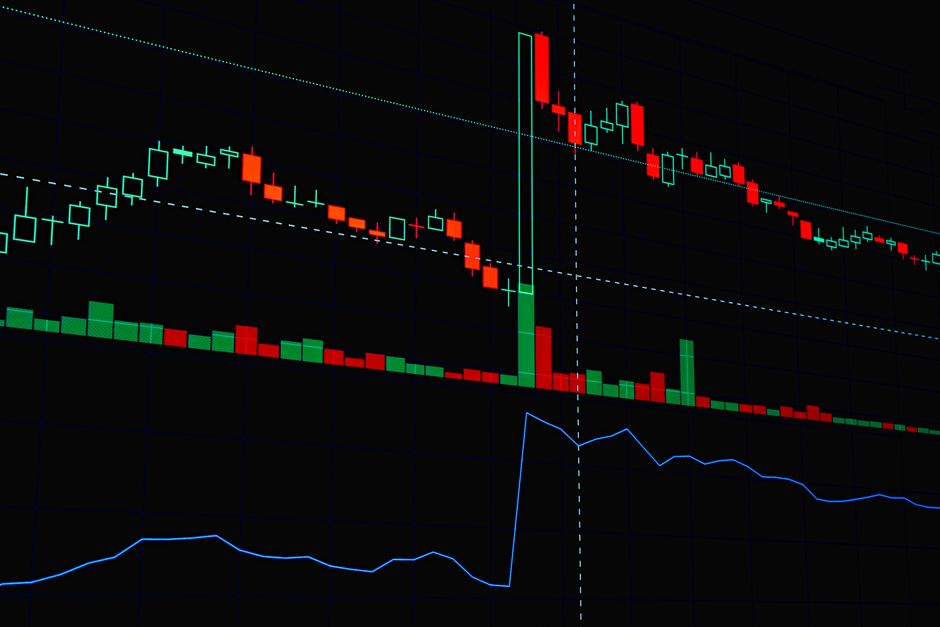
Volume is highest at the opening bell. During this period, the price moves through the opening range with high velocity. You must set tight parameters during the first fifteen minutes because the price swings are wide and frequent. A breakout in this window carries a different statistical weight than a breakout later in the day. As the morning progresses, the frequency of significant price shifts decreases. This is not a sign of weakness, but a predictable transition in market mechanics. You cannot use the same sensitivity settings at noon that you used at nine thirty.
Adjusting Sensitivity Parameters
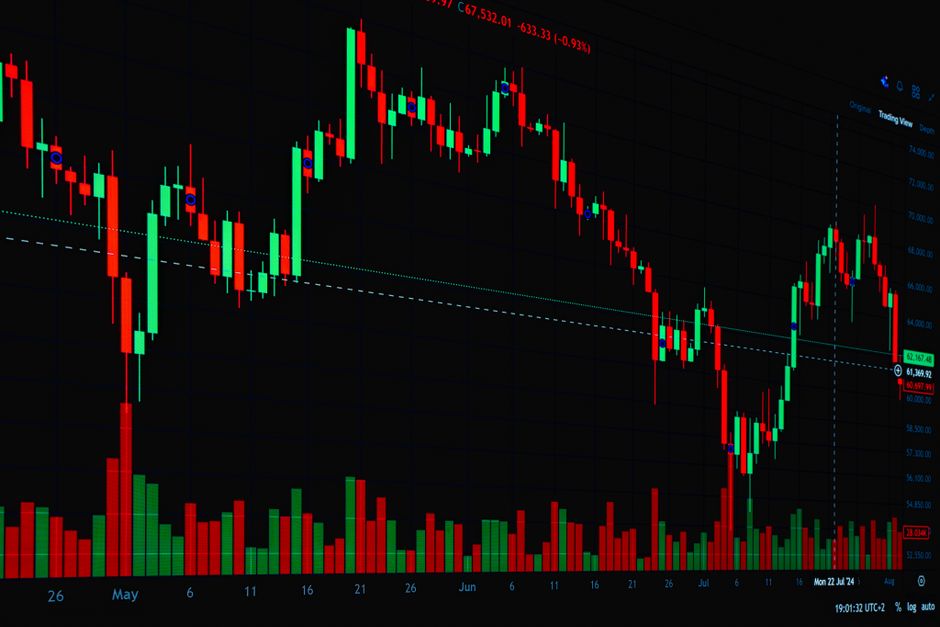
To maintain accuracy, you must widen your threshold for an opening range breakout as the day continues. If you use a fixed percentage or fixed tick distance for your alerts, you will encounter frequent false positives during the midday lull. During the first hour, a small move might indicate a trend. By the time the session reaches the lunch period, that same move is likely noise. Adjust your timeframe settings to account for this thinning liquidity. Moving from a 5 minute lookback to a 15 minute lookback helps filter out the lack of conviction in the tape.
Managing the Midday Lull
When volume drops, the distance between the session high and the session low tends to stabilize. If you are tracking an orb strategy, the significance of the thirty minute range diminishes as the day moves toward the afternoon. You should recalibrate your alert triggers to require more substantial volume or larger price movements to signal a change in direction. This prevents the system from firing on insignificant fluctuations that occur when fewer participants are active in the market.
The Afternoon Transition
Volatility often returns as the market approaches the closing bell. This secondary surge requires a tightening of the parameters once again. The transition from the midday period into power hour involves a sudden increase in participation. If you do not revert to more sensitive settings, you will miss the momentum shifts that characterize the end of the regular trading hours. Monitor the speed of the tape to decide when to switch from wide midday filters back to the tighter settings used during the morning session.