Time-Based Expiration of Alerts

Many traders watch a breakout and fail to realize the signal has already expired. The data at orb trading alerts cldengineers tracks this decay because an opening range loses its edge as the intraday volatility shifts. Monitoring the orb requires knowing exactly when the initial momentum stops driving the price action.
The Mechanics of Signal Decay
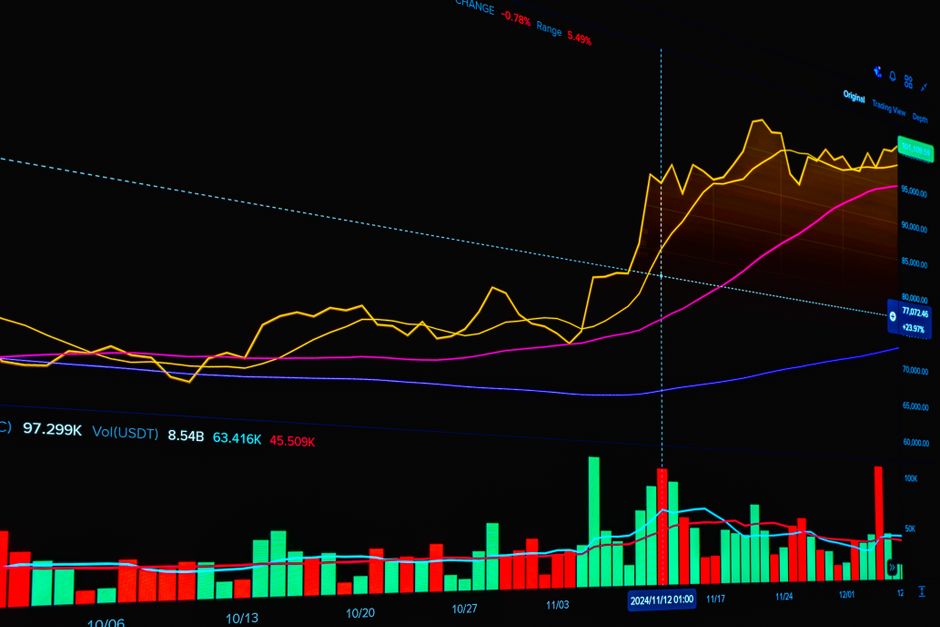
The first fifteen minutes of the session establish the initial boundaries. If a price moves outside the fifteen minute range, it creates a specific set of parameters. However, these parameters do not remain static. A breakout that occurs shortly after the market open carries much higher weight than one that occurs two hours later. By the time the session reaches the middle of the day, the initial levels often act as mere noise rather than structural support or resistance. You must measure the distance from the opening bell to the moment of the breakout to determine if the trade still holds mechanical merit.
Timeframes and Predictive Value
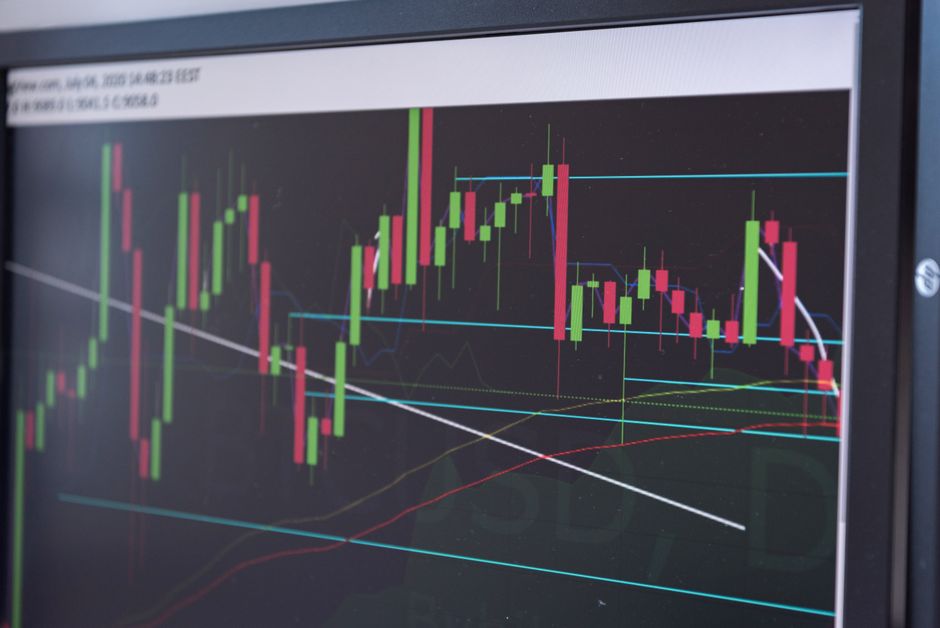
A five minute range provides a high speed entry but also the fastest decay. When you trade a 5 minute breakout, you are betting on immediate impulse. Conversely, a thirty minute range offers a more stable foundation for the morning trend. The longer the timeframe used to define the initial boundary, the longer the signal persists. A sixty minute range carries weight much deeper into the session than a smaller window. You cannot apply the same logic to a 60 minute setup as you do to a quick scalp during the first hour of regular trading hours.
Identifying the Expiration Point
The expiration of a signal occurs when the price begins to consolidate or chop around the established levels. If the price spends too much time oscillating near the boundary, the predictive value of the opening range breakout vanishes. This stagnation suggests that the initial participants have reached an equilibrium. Once this equilibrium is met, the directionality provided by the early morning move is neutralized. You should look for a decisive move away from the boundary to confirm the signal is still active.
Managing the Session Lifecycle
As the clock moves toward power hour, the influence of the morning levels drops significantly. The volume and intent shift from the early morning movers to the midday participants. A signal that was valid at the cash open often becomes irrelevant by the afternoon. Tracking the session high is a better metric for late day moves than relying on the original opening range. Each hour of trading introduces new data that overwrites the importance of the premarket levels and the initial volatility.