An Alert Is Not an Order
Published

The alert fires. Within a few seconds an order has been placed. Described that way it sounds efficient, and sometimes it is, but the sequence has skipped something. An alert reports a single fact, that price touched a specified number. Everything else that should stand between that fact and a live position, the checks, the conditions, the question of whether this session was one to trade at all, has been compressed into the moment it took to reach for the screen.
What the Notification Contains
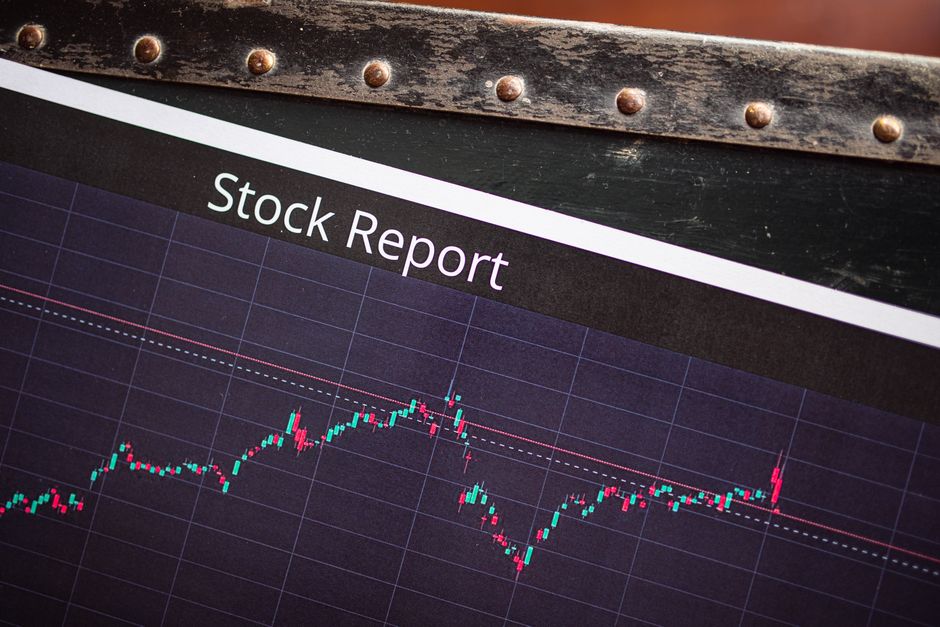
It is worth being literal about this. The alert knows one level and one crossing. It has no view on how price arrived there, whether the move carried any participation, how tall the range was relative to normal, or whether the crossing was a sustained push or a single spike that immediately withdrew.
Every one of those is part of deciding whether the break is worth taking, and none of them are in the notification. The alert is a prompt to look. Treating it as a conclusion is not an aggressive interpretation of the tool, it is a straightforward misreading of what the tool reports.
Why the Gap Closes
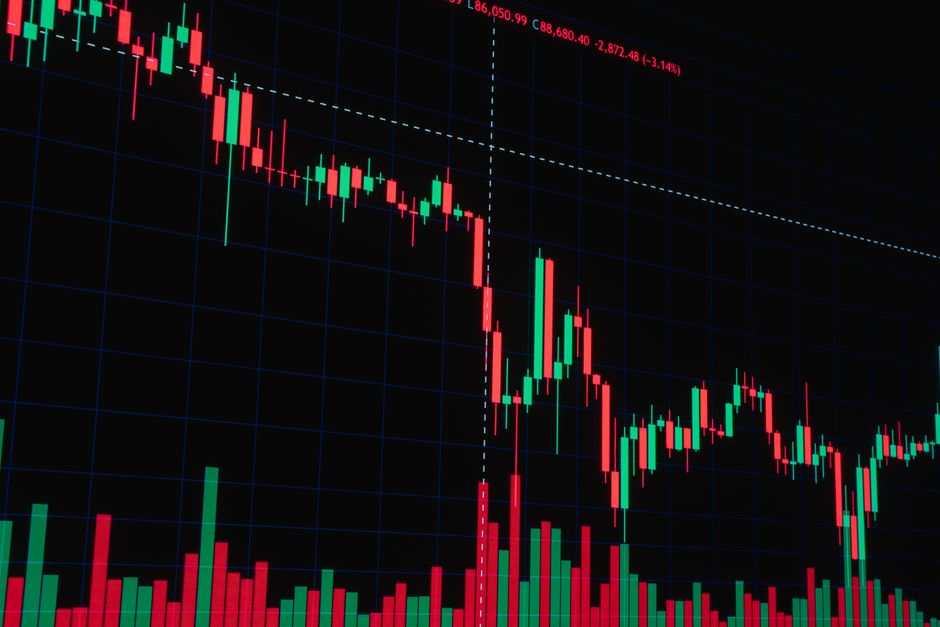
Two forces squeeze it. The first is urgency, some of it real. A break can move quickly, and the belief that hesitation is expensive encourages skipping straight to the order. The second is the design of the device the alert usually lands on. A phone notification is built to be answered immediately, in one gesture, and the surrounding interface offers a route from notification to order with very little in between.
This combination is why the collapse happens even to traders who have a perfectly good checklist. The checklist lives somewhere else, on paper or in a routine performed at a desk, and the notification arrives in a context that has no room for it.
What Belongs in the Gap
The content varies by strategy, but the shape is consistent. Whether the range height falls inside the acceptable band. Whether the crossing came with any expansion in participation. Whether this session was already assessed as one to skip. Whether the stop level implied by the setup produces a position size within the day's limit.
Most of these can be answered in well under a minute by someone looking at a chart. The problem is never that they take too long. It is that they do not get asked, because the alert did not ask them and nothing else in the sequence prompted them either.
Building the Gap Into the Process
Intention alone will not hold a gap open under time pressure. Structure will. The most direct arrangement is to route alerts somewhere that cannot place an order, so the notification necessarily leads to a chart rather than a ticket. The additional step is small and its whole purpose is to exist.
A written checklist visible from the trading position works on the same principle, as does the habit of speaking the checks aloud, which is slower than thinking them and therefore harder to skip. None of this is sophisticated. It is a deliberate piece of friction placed exactly where the process is known to fail.
The Legitimate Automated Case
There is a version of alert to order that is entirely defensible, and the distinction is worth drawing clearly. A resting order placed in advance at the range boundary, with size and stop already determined, is not a reflex. Every check happened before the order existed, and the execution is simply the mechanical consequence of a decision already made.
That is the opposite of answering a notification with a manual order in the moment. The first case front loads the judgement and automates only the execution. The second automates the execution and hopes the judgement will keep up, which under time pressure it reliably does not. If the intention is to act instantly on a boundary being crossed, the honest way to do it is to place the order beforehand, not to try to reproduce a considered decision in the seconds after an alarm goes off.