Relative Volume (RVOL) Threshold Validation
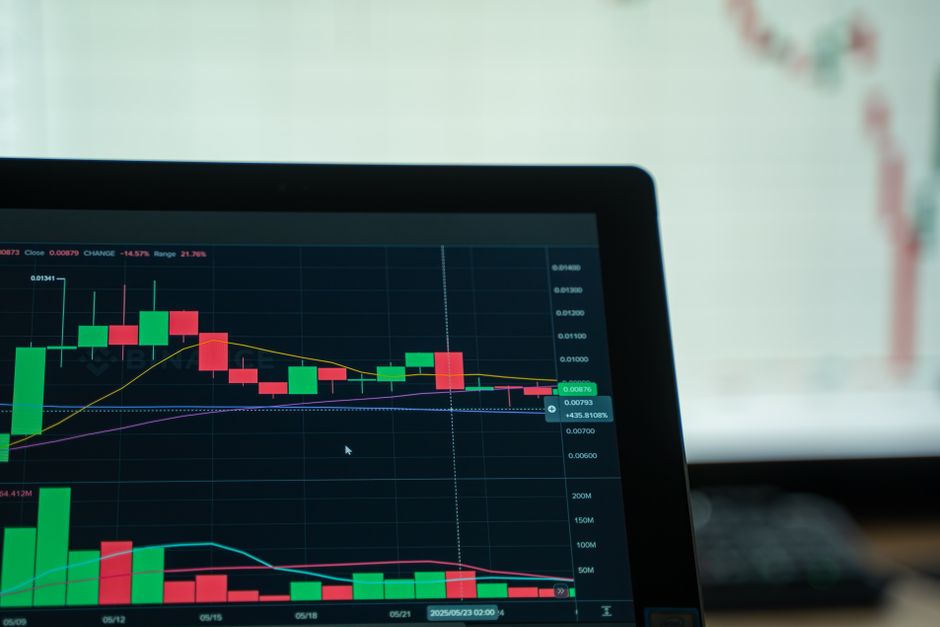
Compare the current volume spike against the total volume accumulated during the premarket session to ensure the liquidity supports a valid opening range breakout. The data at orb trading alerts cldengineers shows that volume validation prevents entries into low liquidity traps during the first hour of trading. A small sample of volume often misleads a trader, so the relative volume must exceed a specific threshold relative to the overnight session activity.
Measuring Pre-Market Volume Baselines
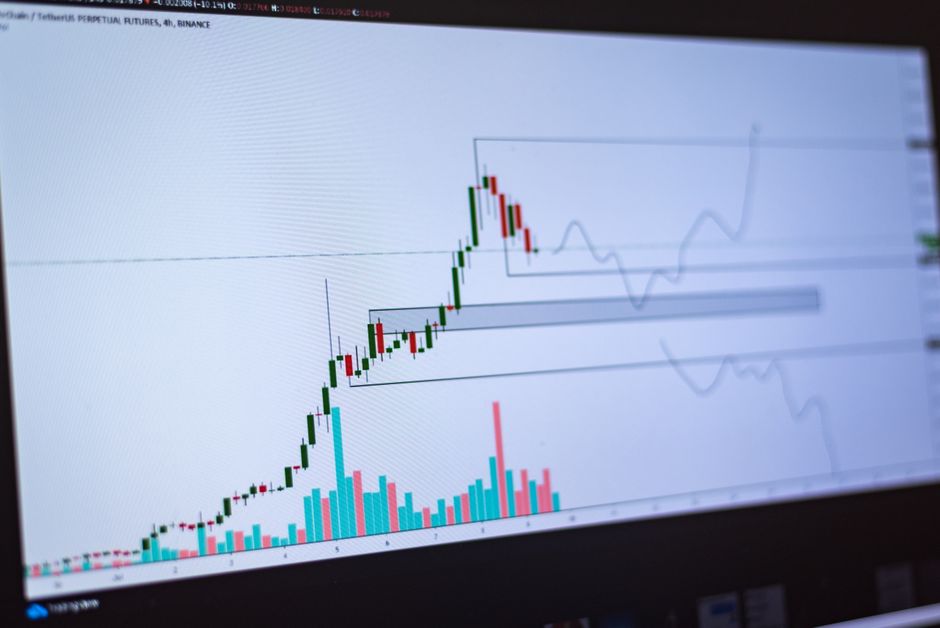
Establish a baseline by calculating the total shares traded during the premarket period. A breakout occurring at the cash open lacks validity if the volume is merely a fraction of the previous overnight session movement. High relative volume indicates that institutional interest is driving the price action rather than retail noise. The calculation requires dividing the current volume at the market open by the average volume seen during similar premarket windows. This ratio dictates whether the price movement has the mechanical strength to sustain a trend through the first fifteen minutes of the regular trading hours.
The Role of the Five Minute Range
Monitor the five minute range to identify the first signs of volume exhaustion or acceleration. A breakout that occurs on low volume during the five minute range often results in a failed attempt to breach the session high. The volume must be significantly higher than the average volume of the preceding five minute intervals. Using a 5 minute timeframe allows for a quick assessment of whether the momentum is backed by real money. If the volume stays flat while price pushes higher, the move is likely a liquidity vacuum rather than a true trend shift.
Timeframe Alignment and Volume Spikes
Check the fifteen minute range to confirm that the volume trend is consistent across multiple intervals. A single spike in the 15 minute window might be an outlier, but sustained volume across the fifteen minute range suggests a structural shift. The intraday trend relies on these volume clusters to maintain direction. When the volume at the thirty minute range remains elevated, the probability of a trend continuation increases. A lack of volume during these specific windows usually leads to mean reversion toward the opening range midpoint.
Validating the Opening Range Breakout
Execute the trade only when the volume relative to the premarket exceeds the standard deviation of recent sessions. An opening range breakout on thin volume is a mechanical trap. The volume must confirm the direction of the break. If the price moves above the opening range but the volume profile is lower than the premarket total, the setup is invalid. High volume at the start of the session provides the necessary friction to move price through resistance levels. Without this confirmation, the price will likely stall before reaching the session high.