Setting Alerts at the Boundary Rather Than Watching
Published
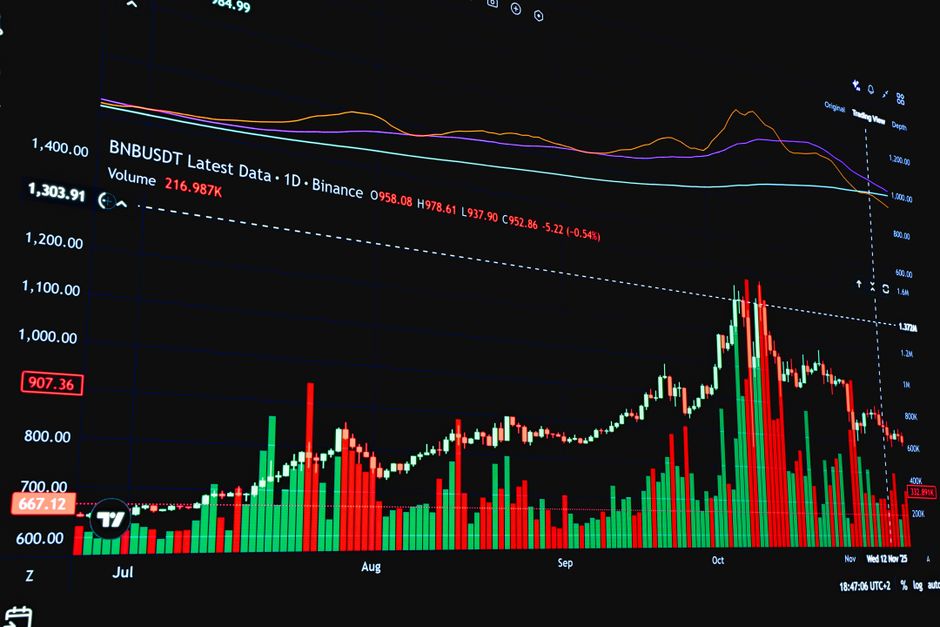
Once the formation period closes, the session has produced two numbers that will not change. They are known, they are unambiguous, and nothing about them requires interpretation. That combination makes them close to ideal material for an alert, and yet a great many traders still spend the following period staring at a chart, waiting for price to reach a level a machine could watch for them without getting bored.
What Watching Actually Costs

The cost is not attention in the abstract. It is the specific tendency of a watched chart to generate opinions. Twenty minutes spent observing price approach a level produces a view about whether it will get there, and that view was not part of the plan. It arrives with a feeling of insight because it was formed by looking rather than guessing, which makes it more persuasive than it deserves to be.
Those views turn into the familiar errors. Entering slightly early because the move looks certain. Deciding the level will not be reached and walking away just before it is. Adjusting the level itself because price has been hovering nearby and a slightly different number now seems more sensible. None of these require poor discipline. They require nothing more than sustained exposure to a moving chart.
Where to Put Them
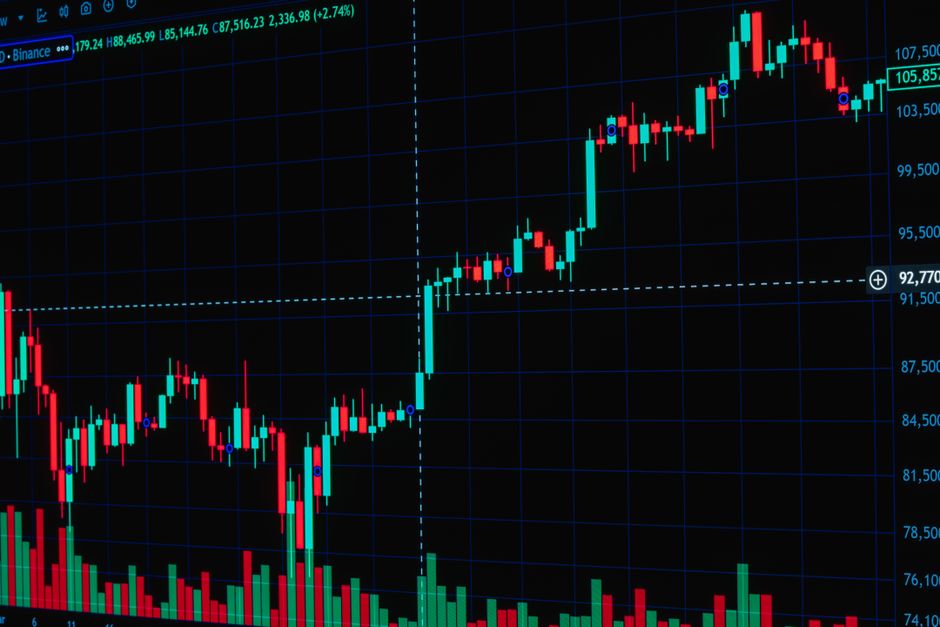
The obvious placement is at the range high and the range low, exactly. That is the level the rules refer to, and any offset from it introduces a second decision that then has to be justified.
Some traders prefer an alert set slightly inside the boundary so the notification arrives while price is approaching rather than after it has crossed. This is a reasonable trade and it should be made knowingly. It buys warning time and it costs precision, because price frequently comes close to an edge without touching it. Setting both, an approach alert and a boundary alert, is a third option that works if and only if the discipline exists to treat the first one as information and not as a trigger.
Set Them Once, at a Known Time
The mechanical advantage of an opening range is that the moment to set the alerts is fixed. The period ends, the two numbers exist, the alerts go on. It is a repeatable step that takes very little time and can be done identically every session.
That repeatability is worth more than it sounds. A routine performed at the same point every day is far harder to skip than one performed whenever it occurs to you, and skipping is the main failure mode. An alert not set is not a small error. It is the difference between a trigger arriving as a notification and a trigger arriving as something noticed late, from a chart glanced at while doing something else.
Clearing Them Is Part of the Job
An alert that has fired, or that belongs to a session which is finished, should be removed. Otherwise the list accumulates until it contains levels from days ago that mean nothing, and the whole arrangement starts producing notifications that are not worth reading.
The tidy version is a short routine at the end of the session that clears everything set that morning. Since opening range levels are only relevant to the session that produced them, nothing needs to survive to the next day, which makes the clearing rule simple. Anything left over is stale by definition.
What Alerts Cannot Do
An alert reports that a number was touched. It has no view about how the number was touched, and that distinction is the whole subject of whether the break is worth taking. A level tagged by a single fast spike and a level crossed by steady sustained trade produce the same notification.
There is also the question of what happens in the gap between the alert firing and the chart being looked at. On a fast move that gap can be expensive, and no alerting arrangement removes it. What alerts genuinely provide is freedom from continuous watching and a reliable prompt at the moment something relevant occurs. That is a real benefit and a limited one, and expecting more of it than that is how people end up trusting a notification with a decision it was never capable of making.