The Inside Bar Filter

Not every expansion from a consolidation period represents a valid move, as noted in the technical analysis provided by orb trading alerts cldengineers regarding intraday price action. Successful trading requires identifying when a breakout is genuine versus when it is a false signal born from low volume. Most traders fail because they enter every move that leaves the opening range. They ignore the mechanics of price contraction that often precede a reversal. This mechanical approach focuses on the relationship between candle bodies and their preceding ranges.
The Mechanics of the Inside Bar

An inside bar occurs when the high and low of a specific candle are contained entirely within the high and low of the previous candle. In the context of the first fifteen minutes of the market open, an inside bar signals a pause in momentum. This pause indicates that neither buyers nor sellers can push the price beyond the established boundaries of the previous candle. When this happens within a defined fifteen minute range, the market is effectively in a state of equilibrium. Traders should view this as a period of compression rather than a signal to act.
Filtering False Breakouts
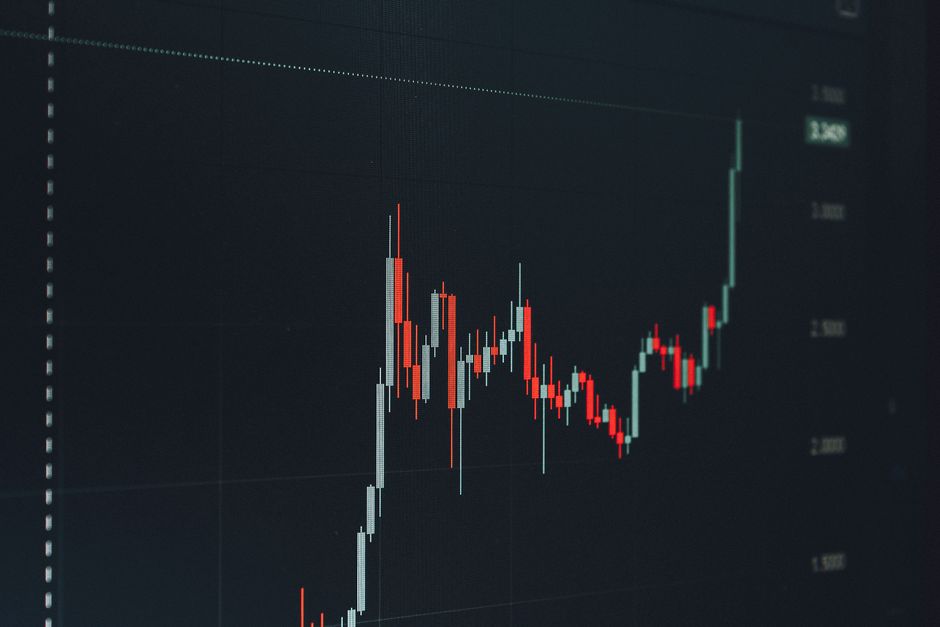
A common mistake involves entering an opening range breakout too early during periods of low volatility. If a candle breaks the high of the opening range but immediately forms an inside bar on a lower timeframe, the move lacks follow through. This contraction often leads to a failed breakout. By using the inside bar as a filter, you wait for the price to clear the consolidation zone with a decisive candle. You do not take trades that stall inside the previous candle's range. This prevents getting caught in the noise of the first hour of trading.
Timeframe Alignment
The effectiveness of this filter depends on the timeframe used to define the initial boundaries. A thirty minute range provides a broader context than a 5 minute candle. If the price is churning within a tight window after the cash open, the inside bar becomes a signal of indecision. You must observe how the price reacts to the session high or session low. If the price creates an inside bar at the edge of a range, the probability of a reversal increases. This is a mechanical observation of price behavior.
Executing the Setup
To apply this, mark the high and low of your chosen period, such as the sixty minute range. Watch for candles that fail to exceed these levels. When an inside bar forms, wait for a subsequent candle to close outside the range of that inside bar. This provides a clear trigger. Avoid any movement that lacks the volume to sustain a trend. This method keeps you out of choppy price action during the regular trading hours. It focuses on the expansion that follows compression.