Opening Range Width Scaling
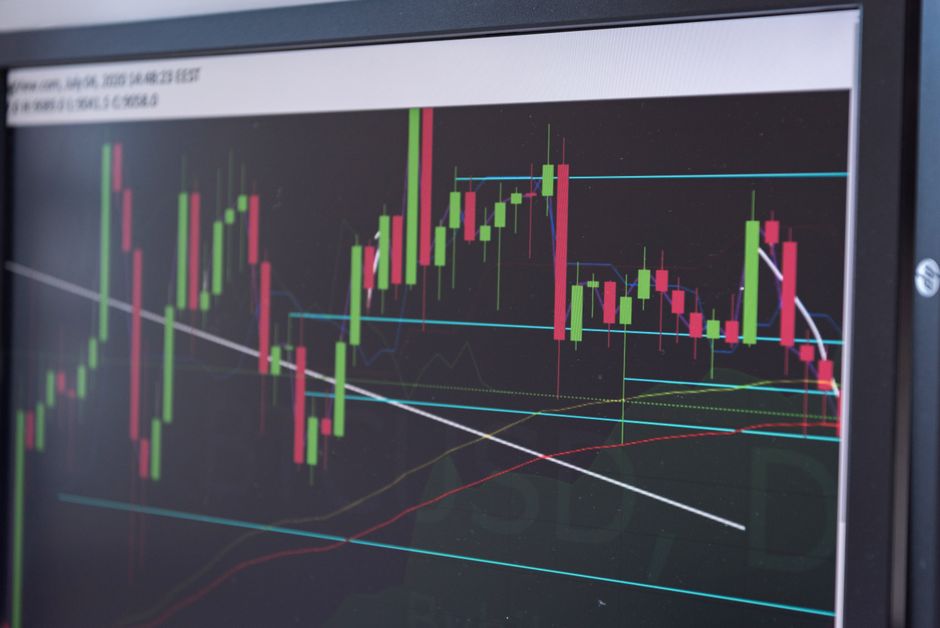
No trader achieves consistency by ignoring how volatility changes after the opening bell, as noted in the technical documentation at orb trading alerts cldengineers regarding opening range width scaling. Effective position sizing requires adjusting your contract count based on whether the five minute range is compressed or stretched. This approach to intraday trading ensures that a single outlier move does not wipe out the account equity during the first hour of regular trading hours.
The Mechanics of Range Compression

When the market open produces a tight fifteen minute range, the mathematical probability of a sustained trend increases. A narrow range suggests that liquidity is concentrated and the initial direction is likely to hold. In these scenarios, you can scale up your position size. If the price consolidates within a small price envelope, the risk per trade is lower because the stop loss is physically closer to your entry point. You are trading a smaller distance, so you can afford more units. This is not about gambling on momentum, but about the mechanical relationship between volatility and distance. A tight orb provides a clear boundary for the session high and low.
Managing Volatility Expansion
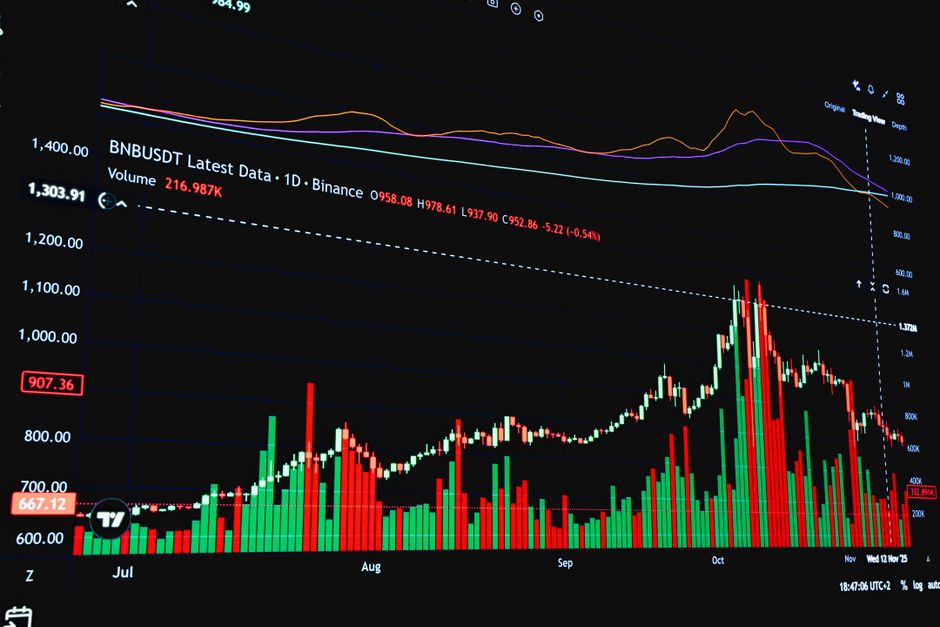
A massive opening range breakout often signals that the overnight session imbalances have already been digested. If the first fifteen minutes produce a candle that is three times the average daily range, you must scale down. Large candles mean large stops. If you maintain the same position size during a period of extreme expansion, your dollar risk per trade will exceed your predefined limits. You must reduce your size to maintain a constant risk profile. A wide thirty minute range requires a smaller number of contracts to keep the total loss potential identical to a trade taken during a quiet period.
Calculating the Scaling Factor
The math is simple. You calculate the distance from your entry to your stop loss. You then divide your total risk amount by that distance. When the opening range is wide, that distance grows, and your position size shrinks. When the range is narrow, the distance shrinks, and your size grows. This prevents the account from being sensitive to the specific timeframe you choose to trade. Whether you look at a 5 minute or a 15 minute setup, the risk remains a fixed dollar amount. This removes the emotion from the trade because the size is dictated by the price action, not by feeling.
Execution During the Session
As the morning progresses, monitor how the price interacts with the established boundaries. If the price breaks the session high with high volume, the initial scaling logic remains valid. If the volatility begins to die down, you might transition from a scalp mindset to a trend following mindset. Always check the range width against the historical average for that specific time frame. If the current width is an outlier, your position sizing must reflect that reality immediately after the cash open. Consistency comes from the discipline of adjusting your size to the environment.